Have you ever received a message and wondered what someone meant when they typed “AF”? You’re not alone. In today’s fast-moving digital world, slang terms evolve rapidly, and AF meaning in text has become one of the most common expressions used across social media, chats, and everyday texting. 🚀
This guide breaks down exactly what AF means, how to use it naturally, when to avoid it, and how it fits into today’s online communication culture.
Whether you’re a student, parent, creator, or casual texter, this article gives you an expert-level understanding—written in simple, friendly language. 😊
What Is the AF Meaning in Text? 🤔
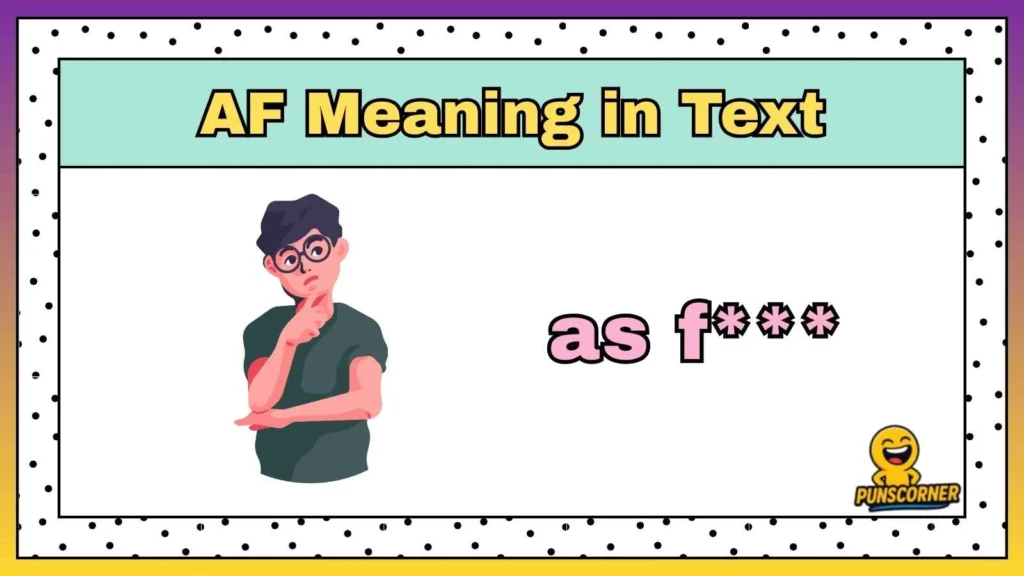
The abbreviation AF stands for “as f***”, which is used to add intensity or emphasis to a statement. It’s a casual and often humorous way of saying something is very, extremely, or super strong.
For example:
- “I’m tired AF.” 😴
- That movie was funny AF!” 😂
- “This food is good AF!” 🍔
Although the phrase contains a censored swear word, people commonly use it in a playful, exaggerated way. In most contexts, “AF” simply adds emotional intensity without sounding too serious.
Why Is “AF” So Popular in Texting? 📱
Part of understanding the AF meaning in text is knowing why it’s so widely used. Here are the reasons it spread so quickly:
- It’s short — perfect for fast texting.
- It’s expressive — adds personality and emotion.
- It’s trendy — used commonly on TikTok, X (Twitter), Instagram, and chats.
- It feels relatable — especially among younger audiences.
Emojis often accompany it because they match the energy and exaggeration. 🔥😁
How to Use AF in a Sentence (With Examples) ✍️
Correct usage is simple. “AF” is always placed after an adjective for emphasis.
✔ Correct Examples of AF
- “She’s excited AF about the trip!” ✈️
- “This weather is cold AF.” ❄️
- “Your outfit is cute AF.” 👗
❌ Incorrect Examples of AF
- “AF she is tired.” (Wrong)
- “AF movie was good.” (Wrong)
The key rule: place AF after the adjective it emphasizes.
Where Do People Use AF the Most? 🌍
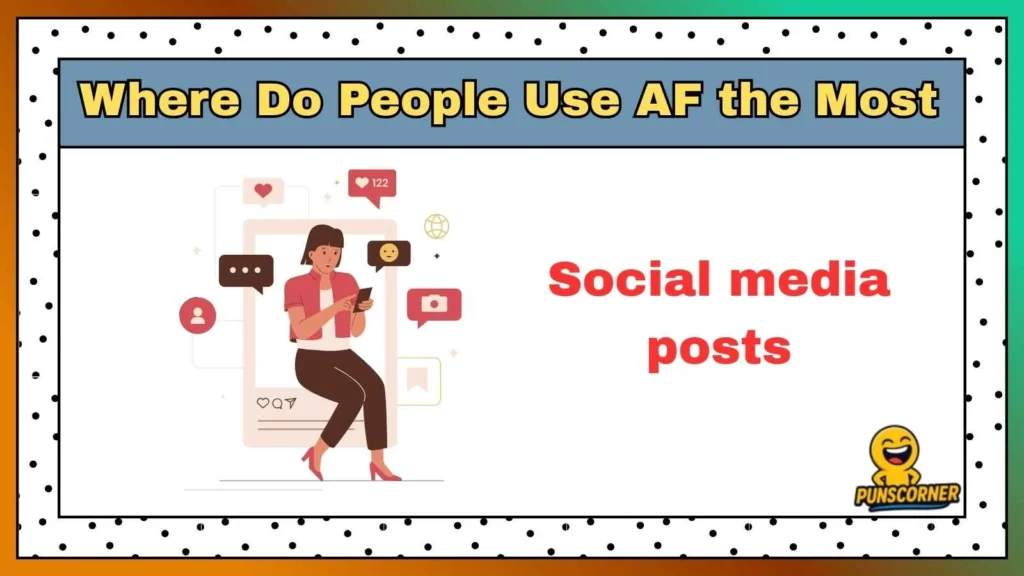
You’ll often see the AF meaning in text appear in:
- Social media posts (Instagram captions, TikTok comments)
- Direct messages
- Group chats
- Memes 😂
- Online gaming chats 🎮
Its informal nature makes it perfect for casual digital communication.
Is “AF” Considered Offensive? ⚠️
This is a common question because the uncensored version contains a swear word. Even though “AF” is widely used, it may still be inappropriate in certain situations.
💡 Use AF When:
- Talking with friends
- Posting funny or casual content
- Texting informal groups
🚫 Avoid AF When:
- Messaging at work
- Talking to teachers or seniors
- Writing formal content
- Communicating professionally
Always consider your audience before using it.
Full Form of AF in Text 📘
The most common full form is:
AF = As F***
However, depending on context, AF can sometimes mean other things—but these are rare in everyday texting.
| Variation | Meaning |
|---|---|
| AF | As F*** (common) |
| AF | April Fool’s (rare) |
| AF | Auto Focus (technical) |
In texting and social media, the first meaning is almost always what people intend.
Examples of AF in Real Conversations 💬
1. Casual Chat
Friend: “You coming today?”
You: “I’m tired AF but I’ll try.”
2. Humor
“My cat is dramatic AF.” 🐱🎭
3. Compliment
“Your photography skills are good AF!” 📸
4. Sarcasm
“This meeting is boring AF.” 😑
Why “AF” Works Better Than Saying “Very” 👍
In digital communication, “very” sometimes feels flat or overly formal. Using AF creates a more emotional and expressive tone.
| Without AF | With AF |
|---|---|
| I’m very tired. | I’m tired AF. |
| That food is very spicy. | That food is spicy AF. |
| She’s very excited. | She’s excited AF. |
As you can see, “AF” adds humor, exaggeration, and personality.
Psychology Behind AF: Why People Love Expressive Slang 🧠
Language isn’t just communication—it’s emotional connection. Slang words like AF work because:
- They create relatability
- They show authenticity
- They match fast texting culture
- They signal closeness among peers
Using expressive slang helps build casual bonds in digital spaces.
Alternative Words You Can Use Instead of AF 🔄
- Super
- Very
- Extremely
- Really
- Highly
- Ultra
These can be used in more formal situations where AF wouldn’t fit.
When AF Becomes Too Much (Overuse Warning) 🚫
Overusing slang can weaken your message or appear immature. For example:
“I’m hungry AF, tired AF, and annoyed AF but your shirt looks cool AF.” 😅
Using AF sparingly keeps it effective and impactful.
Fun, Creative Ways People Use “AF” Online 🎉
- Sarcastic compliments: “Wow, you’re organized AF… not.” 😆
- Aesthetic captions: “Vibes AF.” 🌈
- Themed memes: “Monday AF.” 😫
- Energy updates: “Lazy AF today.” 🛌
The flexibility of AF makes it perfect for memes and internet humor.
AF Meaning in Different Age Groups 👥
| Age Group | Usage |
|---|---|
| Teens | Frequent, natural use |
| 20s | Common in chats and memes |
| 30s | Moderate, context-based use |
| 40+ | Occasional or rare |
This variation shows how slang evolves with digital culture.
FAQs
1. Is AF rude?
It can be mildly vulgar because it implies a censored swear word. Use it carefully depending on who you’re texting.
2. Does AF mean the same as “very”?
Yes, AF adds intensity—often even stronger than “very.”
3. Can AF be used in professional communication?
No. It’s too informal and should be avoided in work emails or business chats.
4. What are other meanings of AF?
Occasionally it may mean “Auto Focus” or “April Fool’s,” but in texting it almost always means “as f***.”
5. Is AF used worldwide?
Yes, online communities around the world use AF as a universal digital slang term.
Conclusion
The AF meaning in text is simple yet powerful.
It’s a modern slang expression that intensifies your message, adds humor, and makes communication more expressive.
Just remember to use it in the right context and with the right audience.